2026 Best UTP Cat 6 Cables for Global Buyers Explained
In today's fast-paced digital era, the demand for high-quality networking solutions is stronger than ever. As an expert in the field, Dr. Samuel Carter, a leading voice in UTP Cat 6 technology, emphasizes, "The right cabling can make or break your network's performance." This statement highlights the significance of selecting top-tier UTP Cat 6 cables for both residential and commercial applications.
Choosing the best UTP Cat 6 cables is essential for users worldwide. These cables ensure better speed, enhanced bandwidth, and superior signal integrity. With advancements in technology, it's critical to stay informed about the latest options. Global buyers rely on well-researched choices to improve their connectivity experiences. However, the sheer number of brands and products can be overwhelming.
Amidst this complexity, consumers must remember that not all cables are created equal. Minor variations in construction can lead to significant differences in performance and reliability. Understanding these nuances requires careful consideration and feedback from industry experts. As you explore the vast sea of UTP Cat 6 options, reflect on your specific needs and research what fits best.
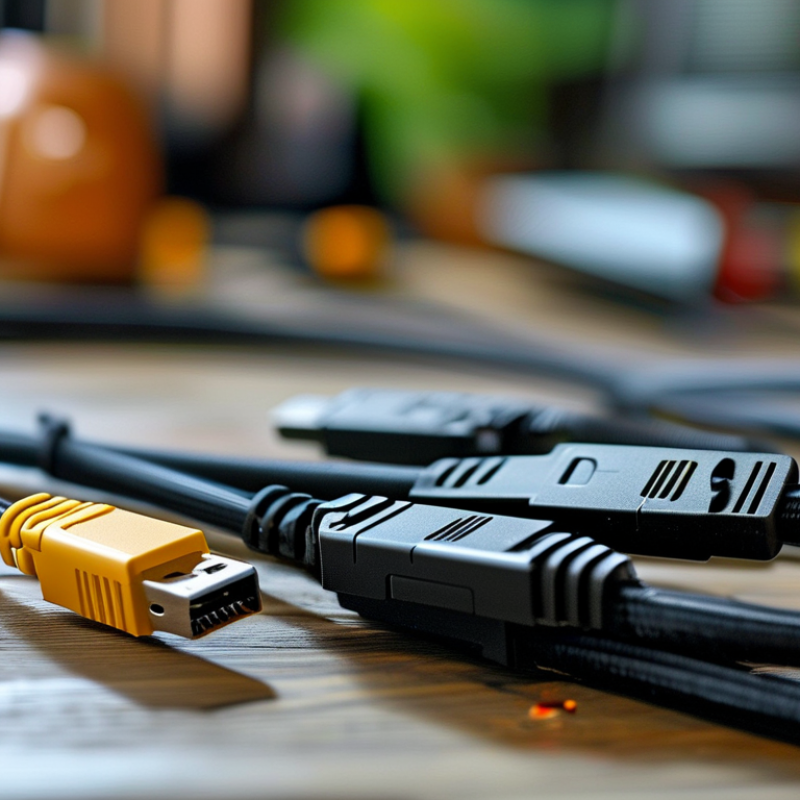
2026 Overview of UTP Cat 6 Cables for Global Buyers
When considering UTP Cat 6 cables for 2026, buyers need to focus on quality and performance. These cables are designed for high-speed data transmission up to 10 Gbps, making them ideal for various applications. They operate best over shorter distances, typically within 55 meters for maximum performance.
To ensure optimal use, always check for proper shielding. Twisted pairs in the cable help reduce crosstalk and interference. This is crucial in environments with multiple devices connected, like offices or homes with smart technology. Using quality connectors will also enhance the reliability of your network.
While searching, reflect on your specific needs. Is it for gaming, streaming, or simple internet browsing? Understanding your requirement will guide your purchase. Pay attention to the cable length and installation environment. Not all cables perform equally in every setup. Choose wisely to avoid unexpected issues down the line.
2026 UTP Cat 6 Cables Performance Overview
Key Features and Specifications of UTP Cat 6 Cables
When selecting UTP Cat 6 cables, it's crucial to understand their key features. These cables are designed for high-speed data transmission, supporting up to 10 Gbps at a length of 55 meters. The IEEE 802.3an standard outlines these capabilities. Moreover, they feature a bandwidth of 250 MHz, making them suitable for various applications, from home networking to enterprise solutions.
One notable aspect of UTP Cat 6 cables is their construction. Typically, they consist of four twisted pairs of copper wires, which help reduce crosstalk and interference. This design leads to a more reliable connection, essential in environments with high electromagnetic interference. A report from the International Telecommunication Union emphasizes that proper cabling contributes to a more efficient network, reducing delays and packet loss.
However, many users overlook the installation process. Poor installation can negate the benefits these cables offer. Factors like cable length, bends, and termination quality play pivotal roles. A study by the Fiber Optic Association found that improper installation can lead to a 30% decrease in performance. Thus, attention to detail during installation is vital for leveraging the full potential of UTP Cat 6 cables.
Comparative Analysis: UTP Cat 6 vs. Other Cable Types
When comparing UTP Cat 6 cables to other types, several aspects stand out. UTP Cat 6 cables are known for their impressive data rates, supporting speeds up to 10 Gbps for distances up to 55 meters. In contrast, older standards like Cat 5e only support up to 1 Gbps at similar lengths. This significant advancement makes Cat 6 cables a more reliable choice for modern networking needs.
Moreover, the shielding in other cable types, like STP, can reduce interference. However, UTP Cat 6 cables offer sufficient performance for most residential and commercial applications. A report by the International Society of Automation indicates that 90% of users find UTP Cat 6 cables meet their data transmission requirements. These cables also tend to be lighter and cheaper than their shielded counterparts, making them a cost-effective option for many installations.
Despite these advantages, there are considerations to reflect on. UTP Cat 6 cables may not be the best fit for environments with high electromagnetic interference. In such cases, other options may yield better performance. Potential buyers should evaluate their specific needs and the environment where the cables will be installed. Balancing cost and performance is essential for making an informed decision.
Top Brands and Choices for UTP Cat 6 Cables in 2026
When selecting UTP Cat 6 cables in 2026, various options stand out. Reliable performance is crucial for any network setup. Look for cables with high-quality materials, ensuring durability and minimal interference. Many cables provide a bandwidth of up to 250 MHz, suitable for fast data transmission.
Top brands offer a range of lengths and colors to suit different environments. Consider your specific needs. For outdoor settings, cables with protective features against UV rays are beneficial. In indoor designs, you might prefer more flexible options for easier installation. Availability is key; ensure the cables are well-stocked and backed by trusted suppliers.
It's helpful to read customer reviews. User experiences reveal strengths and weaknesses. Some cables may not perform as expected in complex setups, while others shine in stability. Assessing feedback helps in making informed decisions. Always examine warranty options when purchasing for added security. The right UTP Cat 6 cable can significantly enhance your network's performance.
Guidelines for Selecting the Right UTP Cat 6 Cable for Your Needs
When selecting a UTP Cat 6 cable, understanding the specifications is vital. Look for cables that support high-speed data transfer. These cables are crucial for modern networking tasks. A quality UTP Cat 6 cable minimizes interference. You would benefit from twisted pairs design, as it helps maintain signal integrity in various environments.
Another key factor is the length of the cable. Longer cables can result in signal loss. Aim for the shortest length that meets your needs. Testing the cable in your setup is wise to ensure compatibility. Sometimes, cables may not perform as expected. It’s essential to acknowledge that not every cable guarantees flawless performance.
Lastly, consider the environment where the cable will be installed. Outdoor or industrial settings often demand specific designs. Ensure the cable jacket material can withstand environmental stress. Reflect on these details before making your choice. Proper selection can lead to efficient and reliable network performance.