Best Wifi Smart Switch Reviews and Buying Guide 2026?
As smart home technology continues to evolve, the demand for Wifi Smart Switches is on the rise. Industry analysts estimate that the global smart switch market will reach $6.5 billion by 2026, driven by consumer interest in energy efficiency and automation. According to Sam Peterson, a leading expert in smart home technology, “Wifi Smart Switches are revolutionizing how we interact with our living spaces.”
Wifi Smart Switches allow users to control lighting from their smartphones or voice-activated devices. However, choosing the right switch can be overwhelming. Many products on the market lack reliability or user-friendly features. This inconsistency highlights the need for careful evaluation. Homeowners should consider factors like compatibility, installation ease, and energy consumption when making a decision.
While the potential for convenience is significant, challenges remain. Some users report connectivity issues, which can diminish the benefits of these devices. It’s essential to stay informed about the latest trends and technological advancements to avoid common pitfalls. As we explore the best Wifi Smart Switches, understanding these nuances will ultimately help consumers make informed choices.
Understanding Wifi Smart Switches: Features and Benefits
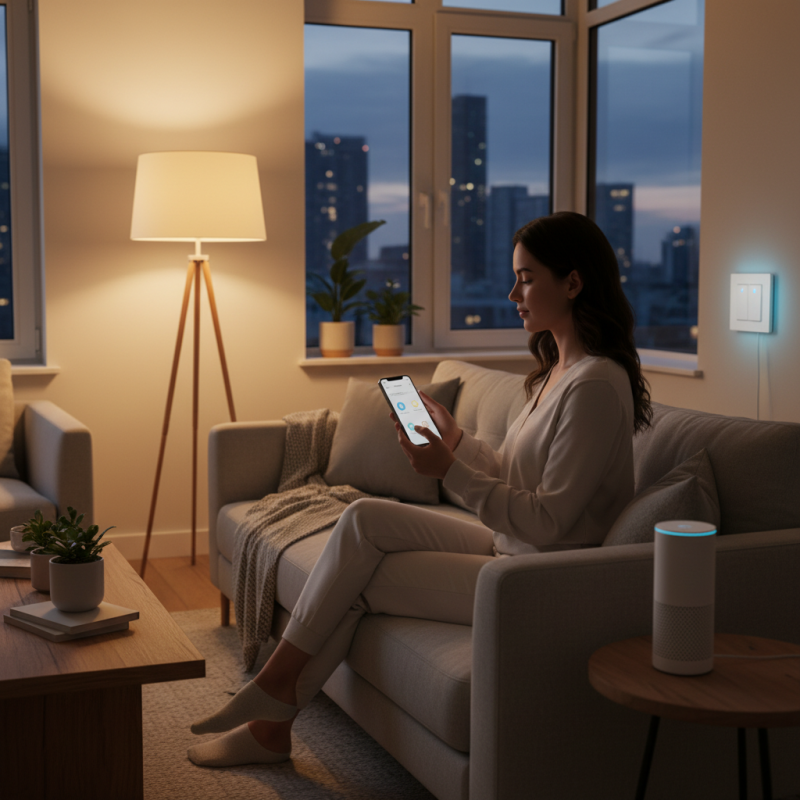
Wifi smart switches are revolutionizing how we manage our home lighting and appliances. They connect easily to your existing Wi-Fi network, allowing users to control devices remotely via smartphone apps. A recent market analysis indicates that the global smart switch market is projected to grow at a CAGR of 19% from 2021 to 2026, highlighting increasing consumer interest.
One notable feature of Wi-Fi smart switches is their ability to integrate with voice assistants. These devices can streamline daily tasks, making life a bit easier. However, some users report challenges in reliability, particularly with connectivity issues. If the network drops, so does your control. It's essential to ensure your Wi-Fi is robust and stable before relying heavily on these switches.
Tips: When selecting a product, consider its compatibility with your home network. Look for features like scheduling and energy monitoring. It might take time to find the right fit for your home’s setup. Plan for the possibility that some models may have limitations, such as requiring additional hubs. Always read user reviews to discover any common pitfalls.
Best Wifi Smart Switch Features Comparison - 2026
Top Wifi Smart Switch Brands to Consider in 2026
As we approach 2026, the demand for WiFi smart switches continues to rise. According to the latest market research, global revenue in this sector is expected to exceed $10 billion by 2026. This growth is driven by the increasing need for energy efficiency and home automation. Many users are looking for ways to control their lighting remotely while saving on energy costs.
When exploring top brands, you should focus on those that prioritize user experience. A significant factor in customer satisfaction is the ease of installation. Reports indicate that 70% of consumers prefer products that require minimal technical knowledge. Some brands offer intuitive apps, allowing users to manage multiple switches effortlessly.
Yet, it’s critical to remain aware of potential drawbacks. Not all smart switches are compatible with existing wiring systems. This may lead to unexpected challenges during installation. Additionally, some users report connectivity issues, especially in larger homes. These factors might require reconsideration before making a purchase.
Key Factors to Evaluate When Selecting a Wifi Smart Switch
When selecting a WiFi smart switch, consider compatibility first. Not all switches work with every smart home system. Check if the switch integrates smoothly with existing devices. This will save you from future headaches and frustration. Look into connectivity as well. A stable WiFi connection ensures reliable performance. A weak signal can lead to delayed responses or failures.
Another crucial factor is ease of installation. Some switches require complicated setups that might confuse the average user. It’s essential to find one that offers clear instructions. A user-friendly app can make managing your devices enjoyable. Make sure the app is simple and intuitive.
Lastly, assess the design and features. A sleek design can enhance your home’s aesthetics. Features like dimming, scheduling, or energy monitoring add value. However, you may find some features unnecessary. It’s wise to reflect on what you really need. Not every extra capability justifies the cost. Evaluate your priorities to make the best choice.
Installation Process: Setting Up Your Wifi Smart Switch
Installing a WiFi smart switch can be a straightforward process if you take it step by step. Begin by turning off the power to the switch at your circuit breaker. Safety first! Next, remove the existing switch cover. Use a screwdriver to detach the switch from the wall box. Take a picture of the wiring for reference later. It’s easy to forget where each wire goes.
Once the old switch is out, connect the wires to the smart switch according to the instructions. Usually, this involves matching color-coded wires. Sometimes, wires may not match up perfectly, leading to confusion. Take your time to ensure they are securely attached. If you're unsure, consult an online installation guide or a professional. Double-check your connections before pushing the switch back into the wall.
After securing everything, restore power and test your new smart switch. It should connect to your home WiFi. If it doesn’t, revisit the installation steps. There might be an error in the wiring or configuration. Remember, not every installation goes perfectly. Document your process to learn for next time. With patience and careful attention, you can successfully set up your WiFi smart switch.
User Experiences: Real Reviews of Popular Wifi Smart Switch Models
When it comes to Wifi smart switches, user experiences matter. Real reviews reveal a mix of satisfaction and frustration. Some users love the convenience of controlling lights from their smartphones. Others struggle with connectivity issues. It's common to see mixed opinions about setup processes, with some finding it straightforward while others face challenges.
One recurring theme in personal reviews is the importance of compatibility. Users report problems when integrating with existing smart home systems. Some switches work smoothly with certain devices but not others. This inconsistency can lead to disappointment. Therefore, checking compatibility before purchasing is crucial.
Tips: Always read user reviews on multiple platforms. Look for comments about connectivity and ease of use. Consider the specific needs of your home. If you reside in an area with weak Wifi signals, this can impact device performance. Another tip is to pay attention to updates. Some users mention that firmware updates enhance functionality and stability.
Best Wifi Smart Switch Reviews and Buying Guide 2026
| Model | User Rating | Features | Price Range | Pros | Cons |
| Smart Switch A | 4.5/5 | Voice Control, Timer, Remote Access | $25 - $35 | Easy setup, Reliable connectivity | Occasional app glitches |
| Smart Switch B | 4.3/5 | Multi-Device Control, Energy Monitoring | $20 - $30 | Good energy savings, User-friendly | Requires neutral wire |
| Smart Switch C | 4.7/5 | Geofencing, Schedule Automation | $30 - $40 | Advanced features, Great support | Slightly pricier |
| Smart Switch D | 4.2/5 | IFTTT Support, App Control | $15 - $25 | Affordable, Simple design | Limited compatibility |